
Surgery can be one important step in your recovery.
But what you do before and afterwards can also play a major part in helping you regain movement, rebuild strength and get back to everyday life with confidence.
At Summit Physio, we provide structured rehabilitation around your procedure, your starting point and the things you want to return to.
Whether you’re preparing for surgery or beginning your recovery afterwards, we’ll help you understand what to work on and how to progress safely.
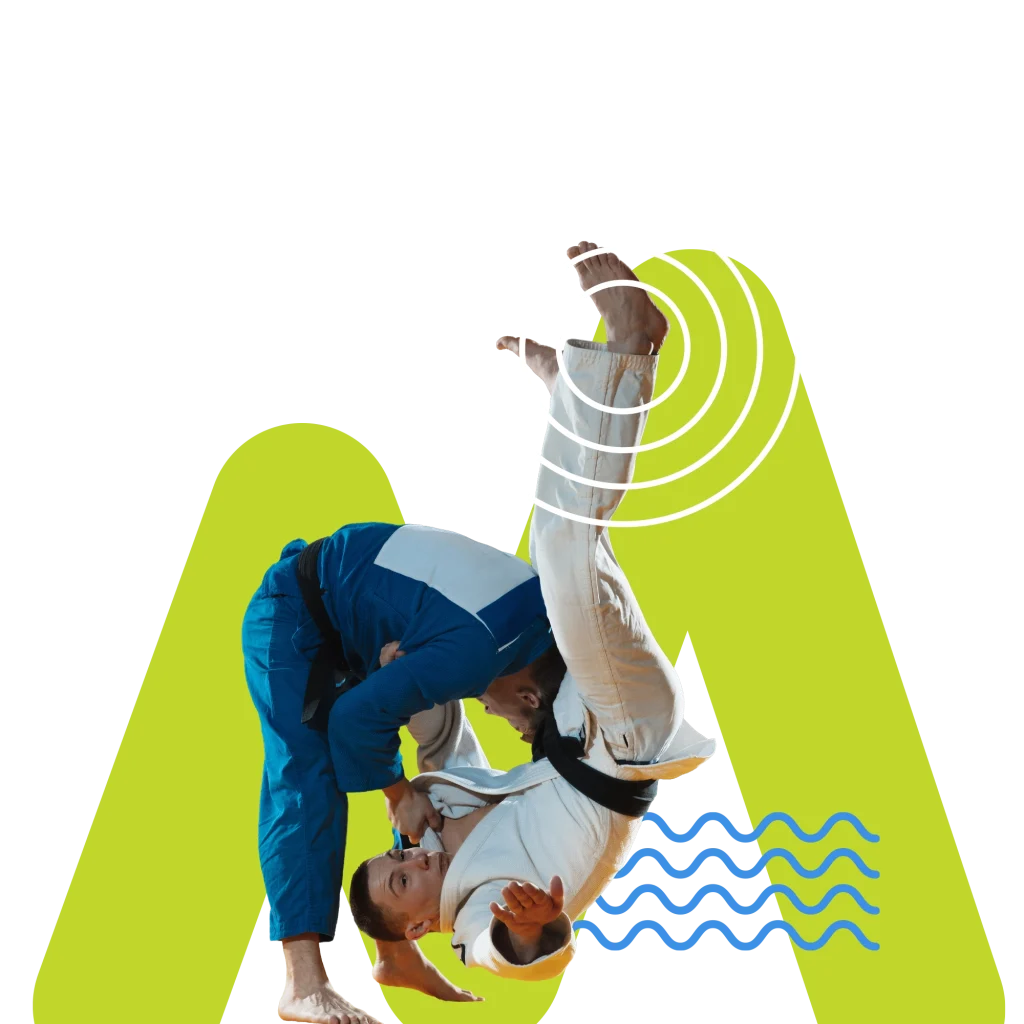
Recovery doesn’t look exactly the same for everyone.
The type of surgery, your previous level of activity, your general health and your personal goals can all influence the rehabilitation you need.
For some people, success might mean walking comfortably again.
For somebody else, it could mean getting back to work, returning to the gym or competing in sport.
Your rehabilitation should reflect your recovery and your goal.
Where appropriate, rehabilitation can begin before surgery.
Pre-operative rehabilitation, sometimes called prehab, can help you go into your procedure with a clearer understanding of what recovery may involve and what you can work on beforehand.
Your programme may focus on:
The exact approach depends on the procedure and any guidance provided by your surgical team.
After surgery, it can be difficult to know how much you should be doing.
You might worry about doing too much, or about not doing enough.
Our clinicians can help guide your recovery and progressively work on areas such as:
The plan progresses with you rather than asking you to jump straight from surgery back into normal activity: restoring range of movement, strength, mobility, independence and progression back to full activity among its post-operative rehabilitation aims.
Our clinicians support rehabilitation around a range of orthopaedic and musculoskeletal procedures.
Rehabilitation following ACL reconstruction can involve rebuilding knee movement, strength, control and confidence before progressing towards more demanding activity.
A structured programme can help progressively restore movement and strength following knee surgery while working within any restrictions provided by your surgical team.
Rehabilitation can focus on restoring movement, walking, strength and everyday function following knee replacement surgery.
Following hip replacement, physiotherapy can help you progressively rebuild mobility, strength and confidence with day-to-day movement.
Shoulder rehabilitation can progress from the early protected stages of recovery through to restoring movement and rebuilding strength.
Rehabilitation can help restore shoulder movement and function following surgery.
Following spinal surgery, rehabilitation can be adapted around your procedure, symptoms and the advice of your consultant.
Physiotherapy following discectomy can help you gradually rebuild movement, strength and confidence as recovery progresses.
Your first appointment gives us the opportunity to understand exactly where you are in your recovery.
We’ll discuss:
Depending on the stage of recovery, we may look at:
Your assessment will always be appropriate to the stage you are at.
We’ll talk through what we find and what your current priorities should be.
You’ll understand what you’re working on and why.
Your rehabilitation programme can then be shaped around your recovery and progressed over time.
We include a detailed initial history and physical assessment, followed by an individual treatment plan and home exercise programme.
Your needs immediately after surgery may be very different from your needs several months later.
That’s why rehabilitation shouldn’t stay the same from start to finish.
The initial focus may be on movement, swelling, comfort and regaining basic independence.
As your recovery progresses, we can work on mobility, control and normal everyday movement.
Strength and physical capacity can gradually become a bigger part of your programme.
The later stages can focus on preparing you for the specific demands of work, exercise or sport.
Your rehabilitation doesn’t happen in isolation.
If your surgeon or consultant has provided post-operative instructions, restrictions or a rehabilitation protocol, we’ll take these into account when planning your programme.
If you have relevant documents, operation notes or rehabilitation guidance, bring them to your appointment.
This helps us understand the procedure and any specific precautions that need to be followed.
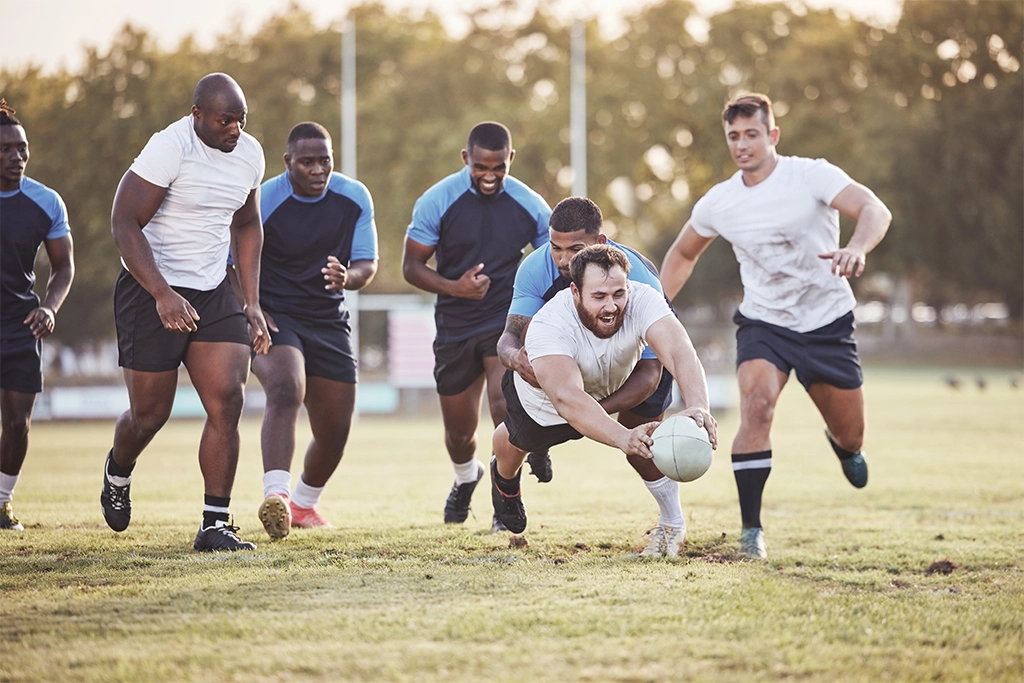
Your rehabilitation reflects the surgery you’ve had and the stage of recovery you’re currently in.
We want you to understand what you’re working on and why.
Your programme can develop from early movement through to strength and higher-level activity.
Home exercises allow you to continue working on your recovery outside the clinic.
Choose the Summit location that works best for you.
Wrightington Hotel & Country Club
Moss Lane
Wigan
Greater Manchester
WN6 9PB
It depends on the procedure and the instructions given by your surgeon or consultant.
Some rehabilitation can begin relatively early, while other procedures require a period of protection before certain movements or exercises are introduced.
We’ll work within the guidance appropriate to your surgery.
Yes, where appropriate.
Pre-surgery rehabilitation can help you work on relevant strength and movement and give you a better understanding of what your recovery may involve.
Not always.
However, any information or rehabilitation guidance provided by your surgical team can be extremely useful.
If you’re using private medical insurance, check whether your provider requires a referral or authorisation.
Bring any relevant information you have about your surgery, including consultant letters, rehabilitation protocols or medical reports.
Wear comfortable clothing that allows your clinician to assess the area and how you move.
Usually, yes.
A home exercise programme allows you to continue working on your rehabilitation between appointments and can be progressed as you recover.
There isn’t one standard timeframe.
It depends on the type of surgery, your starting point, your goals and how your recovery progresses.
Yes.
Rehabilitation following total knee and hip replacement is among the post-operative care Summit provides.
Yes.
Summit supports rehabilitation following ACL reconstruction.
Where appropriate, yes.
Your rehabilitation can gradually progress from basic movement and strength towards the more demanding physical requirements of your sport.
That is understandable.
Part of rehabilitation is helping you understand what you can safely work on and gradually rebuilding confidence as your ability improves.
Whether you’re preparing for surgery or taking the next step afterwards, structured rehabilitation can help you understand what to work on and how to progress.
Build movement. Rebuild strength. Regain confidence.
