Your golf swing depends on how your body moves.
Restrictions in mobility, changes in strength, previous injury or a lack of confidence in certain movements can all influence the way you swing a club.
At Summit Physio, Golf Analysis looks at you as the golfer, not just the swing.
We assess how your body moves, identify physical factors that may be relevant and help you build a plan around the way you want to play.
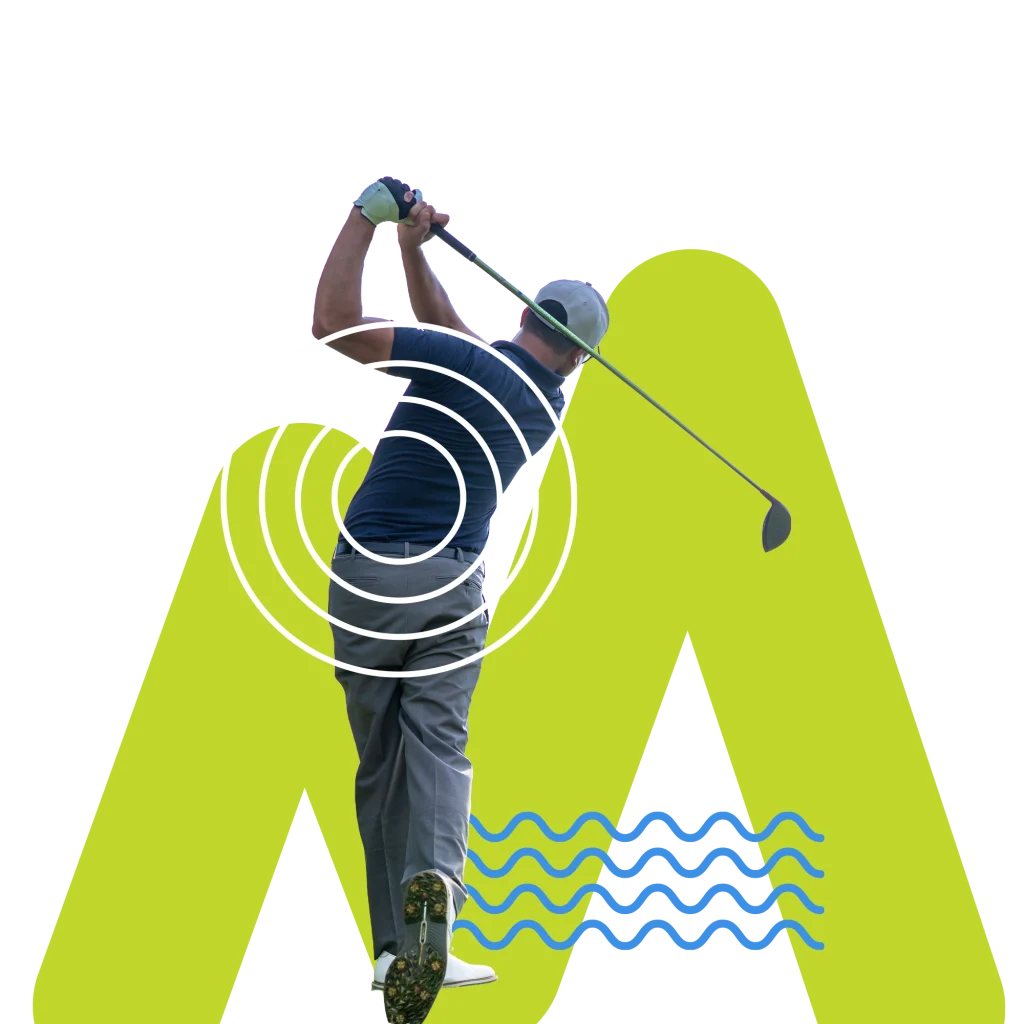
A golf swing asks your body to coordinate movement from the ground up.
Your feet, hips, spine, shoulders and arms all contribute to producing and controlling the movement.
If one area becomes painful, restricted or weaker than usual, your body may naturally find another way to complete the swing.
That can sometimes mean changing the way you move without even realising it.
Golf Analysis gives us an opportunity to understand those physical factors and consider how they may relate to your comfort, movement and overall golf. Summit specifically highlights the relationship between body movement, muscle imbalance, tightness and changes in the golf swing.
You don’t need to be a professional golfer.
An assessment may be useful if you are:
Your Golf Analysis is built around your movement, physical capacity and individual goals.
Depending on what you need, we may assess:
Your hips play an important role in rotation and transferring movement through the swing.
The ability to rotate through the trunk can influence how comfortably you move through different phases of the swing.
Shoulder mobility and control may be relevant during the backswing, downswing and follow-through.
Your ability to create and control force can influence how your body manages the repeated demands of golf.
Golf requires you to control movement while maintaining a stable base.
We may look at how different areas of the body work together through movements relevant to your swing.
A previous injury can sometimes change how confident you feel loading or moving through a particular area.
We’ll begin by discussing:
Your clinician may assess areas including:
Rather than focusing on one body part in isolation, we consider how your movement works together and whether anything appears relevant to your symptoms or golf.
We’ll talk you through the assessment clearly and explain which areas may be worth addressing.
Where appropriate, we can give you exercises, rehabilitation or strength work designed around your findings and goals.
Injury can affect the way you swing even after the original symptoms have started to settle.
You may unconsciously:
These adaptations may have been useful while you were injured.
But they may not always be necessary once recovery progresses.
Our role is to assess your movement and help determine whether there are physical areas worth working on as you return to golf.
There’s an important difference between assessing your body and coaching your golf technique.
Our role isn’t to tell you whether your clubface is open or whether your backswing needs changing.
We focus on the physical side of your golf.
That means looking at whether factors such as mobility, strength, balance or previous injury may be influencing the way you move.
If something is primarily technical rather than physical, your golf coach remains the right person to work on the swing itself.
Golf may be lower impact than some sports, but repeated rotation and loading can still place demands on the body.
Common areas we may assess include:
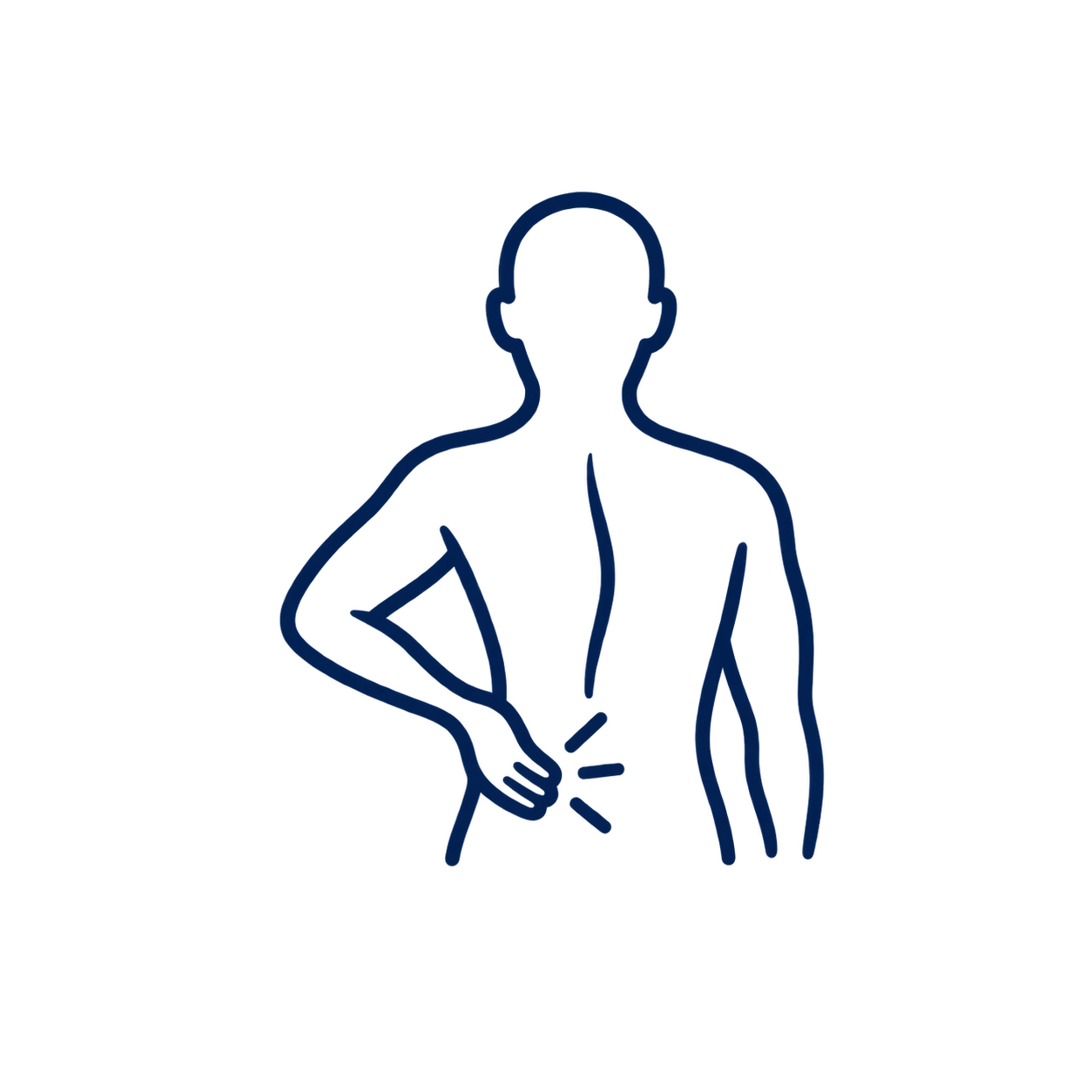
Rotation, prolonged walking and repeated swings can all make existing back problems more noticeable.
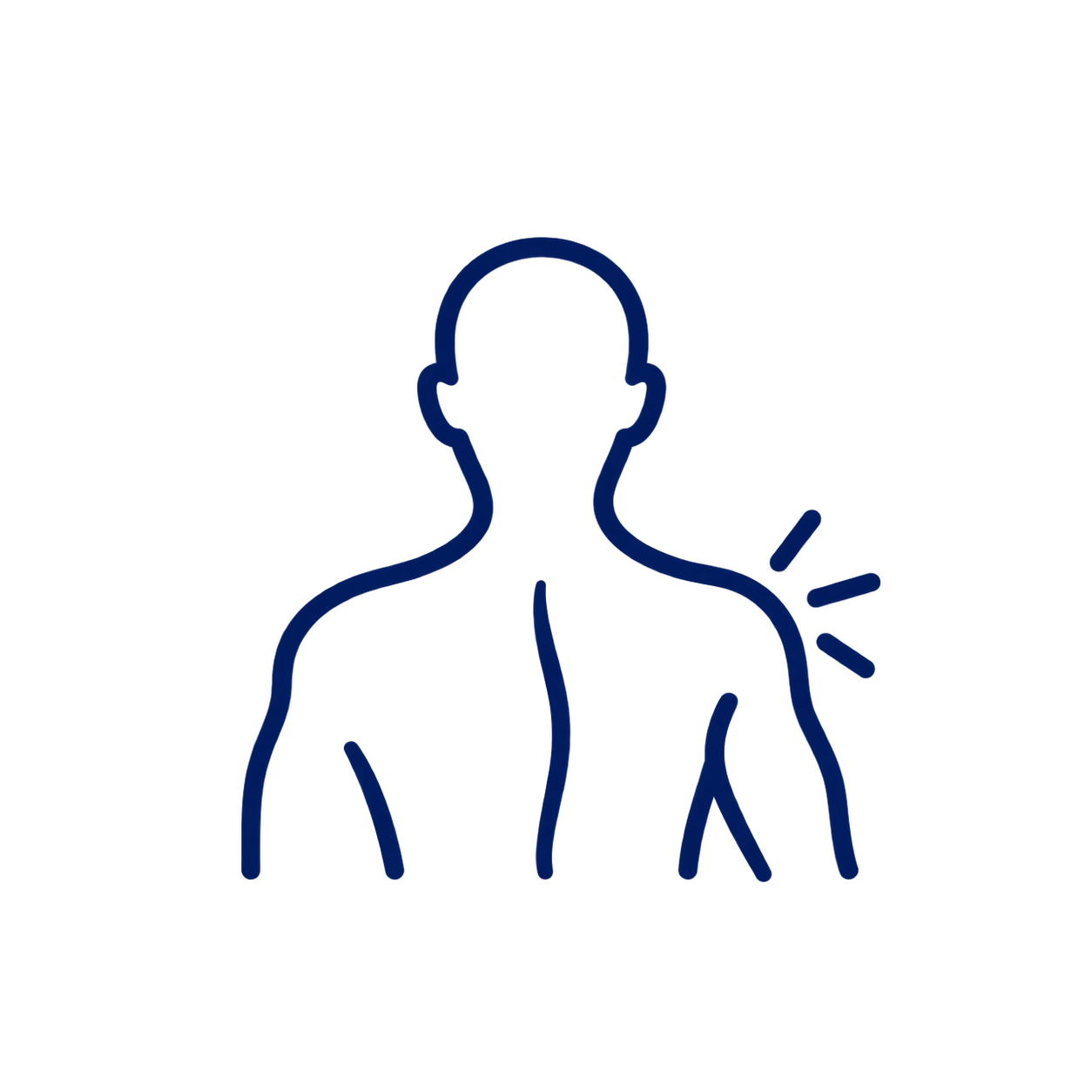
Shoulder movement is involved throughout the swing and may become uncomfortable following injury or overload.
The knees help control force and rotation through the lower body.

Looking down towards the ball and rotating repeatedly can sometimes make neck symptoms more noticeable.
Your movement, strength, history and goals are considered together.
We want to understand why something may be affecting your golf before deciding what you need.
You’ll understand what we find and why we’re recommending a particular approach.
If you’re recovering from injury, your programme can develop towards the physical demands of golf.
Choose the Summit location that works best for you.
Wrightington Hotel & Country Club
Moss Lane
Wigan
Greater Manchester
WN6 9PB
No.
Golf Analysis can be useful if you’re returning from injury, experiencing discomfort or simply want to better understand how your body moves.
No.
A golf coach focuses primarily on the technical aspects of your swing.
We focus on the physical factors that may influence your movement, such as strength, mobility, balance and previous injury.
It may form part of understanding the problem.
If back pain is your main concern, a physiotherapy assessment may be the best starting point before progressing into more golf-specific work.
That depends on your individual needs, but assessment may include hips, spine, shoulders, knees, balance, strength and movement control.
Not in the way a golf coach would.
If your movement assessment identifies a physical limitation worth working on, we may recommend exercises or rehabilitation aimed at that area.
Yes.
Where appropriate, we can build a progressive plan around restoring movement, strength, confidence and tolerance to playing.
Where appropriate, yes.
Exercises can be provided based on what we identify during your assessment.
Potentially.
Strength & Conditioning may be useful if your goals include improving strength, movement capacity, balance or general physical resilience.
Wear comfortable clothing that allows your clinician to properly assess movement.
Sportswear is usually ideal.
In most cases, no.
Private assessment can usually be booked directly.
If you’re using private medical insurance, check whether your provider requires referral or authorisation.
Your swing is influenced by how your body moves.
Understand your mobility, strength and movement, address the areas that matter and work towards playing with greater confidence.